Centaurea is a genus of
herbaceous thistle-like flowering plants in family Asteraceae, comprising about
450 species. Most of the species are native to Palaearctic, where the Middle
East and surrounding regions are particularly species-rich. It has many common
names like Starthistles, Knapweed, Hardhead, and Loggerhead.
Centaurea contains annuals and perennials ornamental plants which are
invaluable in wildflower and cottage garden and also good as cut flowers.. It is
a robust weedy plant with colorful 'flowers' (actually pseudanthium
inflorescences) that come in colors ranging from intense blues, reds and yellows
to any mixture of these and lighter shades towards white. Often, the sterile
disk flowers are in much darker or lighter color than the ray flowers.
Due to the habit of dominating ecosystems under good conditions, many
centaurea species can become invasive weeds in regions where they are not
native. Cantaurea species are copious nectar producers, especially on high-lime
soils. The high nectar yield of the genus makes it very attractive to
pollinators such as butterflies. Larvae of some Lepidoptera species also use
Centaurea species as food plants. Several species of Lepidoptera are used in
biological control of invasive kanpweeds and starthistles.
Centaurea montana (Perennial Cornflower, Mountain Cornflower, Bachelor's
Button, Montane Knapweed or Mountain Bluet), 40 x 60 cm, is endemic to Europe.
It grows in meadows and open woodlands in t he upper montane and sub-alpine
zones. It bears beautiful blue flowers from May to August. Centaurea montana
grows best in sunny positions and can tolerate a light shade. It grows well in
soils varying from light sand to heavy clay, acid, neutral or very alkaline. It
can tolerate drought but cannot tolerate waterlogged conditions. The leaves are
readily eaten by squirrels.
Centaurea macrocephala (Globe Knapseed, Armenian Basketflower) cangrow up to
1 meter tall. It is a good middle-of-the-border plant, producing large yellow,
thistle-like flowerheads, which make very popular subjects for dried-flower
arrangements.
Centaurea cyanus (Cornflower, Bachelor's button, Bluebottle, Boutonniere
flower, Hurtsickle) is an annual plant which bears blue, pink, purple or white
flowers. The flowers attract a wide range of insects which in turn bring birds
in their wake. The seedheads are useful for tits and finches.
Centaurea nigra (Lesser Knapweed, Common Knapweed and Black Knapweed) is
native to Europe and is a host to a range of insects, which will attract birds,
and the seedheads will attract finches in winter.
Plant Centaurea in full sun and in well-drained soil. Propagation is by seed
in spring; divide perennials in autumn. Centaurea is quite hardy and disease
that affect the plant is mildew.
Monday, July 30, 2012
Thursday, July 19, 2012
You Can Plant Sunflower Indoor Well Follow These Steps
Sunflower is a kind of very beautiful flower all over the world, it blossoms
along with huge, yellow-colored blossoms that may develop to 10 feet in height,
noe more and more people want to plant it indoor. Sunflower always presents the
yougnth and energy, it is a bright symbol of the hot summer, so it’s no surprise
that home owners would choose to carry them inside the home. If you want to
maintain the sunflower in your own home during its development, this might
present an issue since the flower requires complete sun. And you also need to
learn a lot of skills to plant it indoor.
Instructions
1. Begin the sunflower seedling in a tiny container, sowing it one inch deeply in the mixture of half peat moss as well as half perlite. Water the plant profoundly till water runs out of the water drainage openings at the base.
2. Maintain the seeds equally moist, although not drenched. As soon as the seeds develop to three inches, implant them to big pots enclosed by a high-quality planting medium included along with fertilizer.
3. Put the sunflower in the east or even south confronting window exactly where it may acquire full sun all day long. If you fail to supply this sort of light for your plant, possibly place the plant outside of the house or even supply additional lighting. If you select the second alternative, begin with a cool-white incandescent light as well as shift to a warm-white incandescent light once the sunflower gets to 6 inches.
4. Water the sunflower, maintaining it damp till it begins developing intensely again. Put a One to two inch coating of compost over the soil. This may preserve dampness for the plant. Only water the plant once again once the top of soil dries out.

Instructions
1. Begin the sunflower seedling in a tiny container, sowing it one inch deeply in the mixture of half peat moss as well as half perlite. Water the plant profoundly till water runs out of the water drainage openings at the base.
2. Maintain the seeds equally moist, although not drenched. As soon as the seeds develop to three inches, implant them to big pots enclosed by a high-quality planting medium included along with fertilizer.
3. Put the sunflower in the east or even south confronting window exactly where it may acquire full sun all day long. If you fail to supply this sort of light for your plant, possibly place the plant outside of the house or even supply additional lighting. If you select the second alternative, begin with a cool-white incandescent light as well as shift to a warm-white incandescent light once the sunflower gets to 6 inches.
4. Water the sunflower, maintaining it damp till it begins developing intensely again. Put a One to two inch coating of compost over the soil. This may preserve dampness for the plant. Only water the plant once again once the top of soil dries out.
Monday, May 21, 2012
Create A Flower Bed And Make A Good Plan
How to Create a Flower Bed
So you want to build a flower bed. Where do you begin? Before starting a flower bed, you need to plan ahead. Take a stroll around your property and choose a suitable location. Take note of available light and nearby structures. Determine the whereabouts of any underground utility lines and the nearest water source.
Before you plant a flower bed, you should make a sketch. This is important,
as it allows you to play around with ideas, like the size and shape of the
flower bed. It will also make it easier when choosing plants, as these should
always be compatible to the area. Use a hose, spray paint or flour to mark out
and shape the bed. If building a raised bed, determine the type and amount of
edging material as well.
Most people prefer the no-dig approach. It starts with eliminating the grass as we did in the dig methoid. While using herbicides can effectively kill grass, it may not be suitable for planting until much later, as herbicides are not environmentally friendly. However, you can easily smother grass quickly and effectively without the use of harmful chemicals simply by using cardboard or newspaper.
You can start the no-dig bed in early spring for summer planting or build a flower bed in fall, as grass begins to go dormant. Fill the area with cardboard or several layers of newspaper and saturate with water. Add about six inches of compost or rich soil on top with another layer of organic mulch (like straw) on top of this. You can plant a flower bed right away if the grass was dug out or within the next season using the no-dig method.
Choose a site. How much sun an area gets is a prime consideration. Six hours of sunlight will do for the greatest variety of plants. Stay away from underground utility lines and allow at least three feet from a building or fence.
In hot climates, it is best to have some shade from the relentless afternoon sun, so a flower bed to the east of a building or fence usually works best. This also gives some protection from the hot drying winds that usually come from the west.
You can grow a garden even if you get 12 hours of full sunlight, but you should be more careful about which flowers you choose to grow. Pick ones that love full exposure to the sun. Your garden will also need more frequent watering.
Start small. Enthusiasm for gardening is great, but can rapidly dry up when the work mounts. Start with a small flower bed, say 25 square feet, which is room for around 20 to 30 plants with perhaps three types of annuals and one or two perennials. You can always increase you plantings as your experience grows.
Make a detailed landscaping plan and dig a flower bed to fit that scheme, if you want. On the other hand, if you're no good at planning on paper, or you know about where and how large you'd like the bed, simply lay it out right there in your garden.
Laying a garden hose on the ground is one way to mark or plan a gentle curve. If you have a lawn adjoining the bed you are digging, remember to leave yourself mower access.
Start digging. Once you locate a site and mark out the boundaries with a water hose, remove all sod and pieces of grass or weeds that may re-sprout. Using a spade or garden fork, completely dig up the bed to at least eight inches deep, a foot deep is better. Remove rocks or any debris.
Buy the plants or seeds then plant according to their directions. Smaller plants go in the front of the bed. Most plants are planted at the same depth they were growing. Firm the soil around them. Remember when placing plants that they will grow, so start with extra space and read the labels carefully to see how much space to leave them.
Get a variety of flowers because they bloom at different times and this will keep your flower garden always in bloom.
Water thoroughly. Like a good waiter, a good gardener will check whether water is required before watering. How much you water will depend upon the needs of your plants, the climate and exposure, and how much rain your yard gets.
Cut spent blooms periodically. Many plants will re-bloom, but only if the old blooms are cut. Also, support and prune your plants as necessary.
So you want to build a flower bed. Where do you begin? Before starting a flower bed, you need to plan ahead. Take a stroll around your property and choose a suitable location. Take note of available light and nearby structures. Determine the whereabouts of any underground utility lines and the nearest water source.

Most people prefer the no-dig approach. It starts with eliminating the grass as we did in the dig methoid. While using herbicides can effectively kill grass, it may not be suitable for planting until much later, as herbicides are not environmentally friendly. However, you can easily smother grass quickly and effectively without the use of harmful chemicals simply by using cardboard or newspaper.
You can start the no-dig bed in early spring for summer planting or build a flower bed in fall, as grass begins to go dormant. Fill the area with cardboard or several layers of newspaper and saturate with water. Add about six inches of compost or rich soil on top with another layer of organic mulch (like straw) on top of this. You can plant a flower bed right away if the grass was dug out or within the next season using the no-dig method.
Choose a site. How much sun an area gets is a prime consideration. Six hours of sunlight will do for the greatest variety of plants. Stay away from underground utility lines and allow at least three feet from a building or fence.
In hot climates, it is best to have some shade from the relentless afternoon sun, so a flower bed to the east of a building or fence usually works best. This also gives some protection from the hot drying winds that usually come from the west.
You can grow a garden even if you get 12 hours of full sunlight, but you should be more careful about which flowers you choose to grow. Pick ones that love full exposure to the sun. Your garden will also need more frequent watering.
Start small. Enthusiasm for gardening is great, but can rapidly dry up when the work mounts. Start with a small flower bed, say 25 square feet, which is room for around 20 to 30 plants with perhaps three types of annuals and one or two perennials. You can always increase you plantings as your experience grows.
Make a detailed landscaping plan and dig a flower bed to fit that scheme, if you want. On the other hand, if you're no good at planning on paper, or you know about where and how large you'd like the bed, simply lay it out right there in your garden.
Laying a garden hose on the ground is one way to mark or plan a gentle curve. If you have a lawn adjoining the bed you are digging, remember to leave yourself mower access.
Start digging. Once you locate a site and mark out the boundaries with a water hose, remove all sod and pieces of grass or weeds that may re-sprout. Using a spade or garden fork, completely dig up the bed to at least eight inches deep, a foot deep is better. Remove rocks or any debris.
Buy the plants or seeds then plant according to their directions. Smaller plants go in the front of the bed. Most plants are planted at the same depth they were growing. Firm the soil around them. Remember when placing plants that they will grow, so start with extra space and read the labels carefully to see how much space to leave them.
Get a variety of flowers because they bloom at different times and this will keep your flower garden always in bloom.
Water thoroughly. Like a good waiter, a good gardener will check whether water is required before watering. How much you water will depend upon the needs of your plants, the climate and exposure, and how much rain your yard gets.
Cut spent blooms periodically. Many plants will re-bloom, but only if the old blooms are cut. Also, support and prune your plants as necessary.
Sunday, May 6, 2012
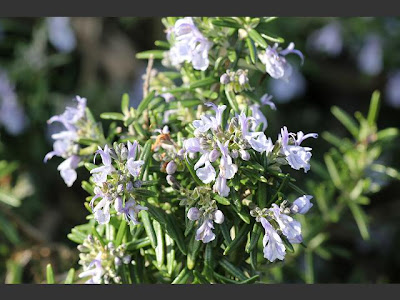
Rosemary Is One Of The Most Decorative Herbs

Although rosemary is a native plant of the Mediterranean and Asia, it is still reasonably hardy in cooler areas. Rosemary is a good choice if you want shrubs that are able to withstand droughts well. It will survive a severe lack of water for lengthy periods of time.
Rosemary has leaves which look like pine needles. It is these needles which can be finely chopped and used to flavour a variety of dishes, especially stuffing. Many cooks simply cut sprigs of rosemary and place many roasted meats, especially lamb, pork, chicken and turkey with great results.
You will make things far easier on yourself if you start with a nursery grown plant. Rosemary can take some time to fill in as a plant, so expect to pay more for a mature plant than for a small rosemary start.
Rosemary is usually propagated by cuttings. Seeds can be difficult to germinate and often don't grow true to their parent. It's much faster to start with a cutting and you will be sure of what type of plant you will get. It's possible to root rosemary in a glass of water, but a bit more effort will give more dependable results.Seeds are readily available from most major seed merchants, although only for Rosmarinus officinalis - we have not seen any seed for sale for the other varieties. The seeds are cheap to buy online, although propagation is erratic. Sow the seeds in potting compost around mid-May time and place in a sheltered position in the garden - unfortunately you will only achieve a success rate of about 15%. The seedlings may well take up to 2 months to appear so don't give up hope until maybe 3 months has past.

Bring the potted rosemary inside once the temperature inches into the 30s. It can be a little trickier to keep rosemary happy inside. Your rosemary plant will still require 6-8 hours of full sun, so artificial lights may be necessary. Heat is not as crucial as sunlight.
Move your potted rosemary back outdoors once all danger of frost has passed.
As with most potted plants, the soil in your rosemary pot will degenerate through watering and root growth. Repot at least once a year. Spring is a good time to repot your rosemary, but it should be fine no matter what time of year you get to it.
When the rosemary plant puts out considerable growth or looks like it just can't get enough water, it has outgrown its pot and needs to be transplanted into a larger one. If you want to maintain the size of your rosemary plant, root prune it by slicing off a couple of inches of the roots from the bottom and sides of the root ball and replanting in the same pot. Be sure to trim some of the top at the same time, to lessen the work load of the roots and the stress placed upon the trimmed plant. Then allow your repotted plant some time to regroup. It should reward you with many more seasons of snippings.
The herb Rosemary grows extremely well in large pots or other containers. The pots need to be reasonably deep because rosemary is a deep rooting herb. Fill the pot with a mixture of 20% sharp sand or grit and 80% standard potting compost. Make a hole in the compost and place one rooted cutting in the middle of the pot. Water the plant well to help it settle in and consolidate the soil around the roots.
Tuesday, May 1, 2012
Enjoying The Luxurious Beauty Of The Jasmine

The Jasmine flowers are white in most species, with some species being yellow. The Jasmine is believed to have originated in the Himalayas in western China.
Ayurvedic Medicine. The flowers and the essential oil are two parts that can be used from the jasmine plant. They are known as jati and are used as a sattvic tonic. Sattvic is one of the three health elements that is important according to Ayurvedic principles and this element of the jasmine flower apparently emphasizes the nature of compassion and love. Hence, jati is often used as an aphrodisiac for women. The jasmine is also used to help build up immunity, and to reduce fevers.
Traditional Chinese Medicine. The Chinese would brew jasmine plant flowers as an infusion tea. Tea that was scented with Arabian jasmine has been made since 300 AD. In China, these flowers are known as mo li and they are widely used as a scenting ingredient. In Traditional Chinese medicine, these herbs would be placed beside heat-dried green tea, so that the green tea would absorb some of the jasmine flower scent. Nowadays, it is common to find green tea and jasmine flowers mixed together and sold commercially.
Flowering in Jasmines takes place in summer or spring which is usally six months after planting. The Jasmine flower releases its fragrance at night after the sun has set and especially when the moon is waxing towards fullness. Jasmine flower buds are more fragrant than the flowers.The name Jasmine originates from France and Persia, and the name refers to the Jasmine plant, which climbs like a vine and is used for making a variety of perfumes and other good-smelling products. In 1973, it was discovered that Jasmine was quickly becoming a popular name in America, and when Disney used the name "Jasmine" for one of its princesses in the movie "Aladdin," it quickly became even more of a hit.
There exists a true Jasmine and a false Jasmine, and the two are commonly mistaken for each other because of the fragrance the plants release. The true Jasmine belongs to the family Oleaceae and is primarily a bushy shrub or a climbing vine and is non-poisonous.
True Jasmines have oval, shiny leaves and tubular, waxy-white flowers. The false Jasmine on the other hand is in a completely different genus, Gelsemium, and family, Loganiaceae, which is considered too poisonous for human consumption.One of the most popular decorative teas today is the Jasmine flower tea. Aside from the highly exquisite designs that can be made from Jasmine tea flowers, you will be able to enjoy its heavenly flower aroma. So a Jasmine flower tea is not just a simple decorative tea. It is also considered as an effective component in the promotion of aroma therapy. That is because the aroma of Jasmine tea flowers has a very calming and relaxing effect on people. So you can prepare it to relieve stress that could be bothering you. You can also prepare Jasmine tea for your guests to make them more at ease and relaxed.
So if you want a health drink that can also serve as a decorative object, then a Flowering tea would be best for you. This type of tea is individually packed to ensure that the quality of the design will not be damaged. It is best also if you can use transparent display tea pot or cups when preparing this type of decorative tea. This way, you and your guests can enjoy the luxurious beauty of a blossoming tea and get its healthy benefits.
Subscribe to:
Posts (Atom)